
Mobile technology has rapidly evolved from basic calling devices into powerful computing tools that shape modern lifestyles across the globe. Smartphones now influence nearly every human activity daily.
Today’s mobile devices integrate internet, artificial intelligence, and cloud computing, enabling instant access to information, services, and communication platforms that were once unimaginable for ordinary users worldwide.
As mobile adoption increases, societies become more digitally connected, transforming how people work, learn, and interact. This shift continues to redefine modern human behavior and expectations.
Mobile innovation also drives economic growth and global connectivity. From urban cities to rural communities, smartphones bridge gaps and create opportunities for development and digital inclusion.
Mobile technology has completely revolutionized communication by replacing traditional landlines and postal systems with instant messaging, video calls, and social networking platforms accessible worldwide anytime.
People now communicate in real time regardless of geographic boundaries. Applications like messaging apps and video conferencing tools have made personal and professional communication faster and more efficient.
Businesses also benefit from mobile communication systems, allowing employees to collaborate remotely. This has increased productivity while reducing dependency on physical office environments across industries globally.
Furthermore, communication has become more interactive and multimedia-based. Users share images, videos, and voice messages instantly, making conversations more expressive and engaging than ever before.
Education systems have transformed significantly with mobile technology, enabling students to access learning materials, online courses, and virtual classrooms directly from their smartphones or tablets.
Digital learning platforms provide flexibility for students to study anytime and anywhere. This accessibility improves education quality, especially in remote and underserved regions lacking traditional institutions.
Teachers also use mobile tools to enhance classroom engagement through interactive apps, quizzes, and digital resources that make learning more dynamic and effective for students.
Mobile-based education encourages lifelong learning. Individuals can continuously upgrade their skills through online certifications, tutorials, and knowledge-sharing platforms available at their fingertips.
Mobile technology has reshaped business operations by introducing digital tools for marketing, sales, communication, and customer service, improving efficiency and global market reach.
E-commerce platforms and mobile apps allow businesses to sell products and services online, expanding customer bases beyond local markets into international digital economies seamlessly.
Entrepreneurs benefit from mobile technology by launching startups with minimal investment. Mobile-based tools reduce operational costs and increase scalability for small and medium-sized enterprises.
Additionally, mobile analytics help businesses understand consumer behavior, enabling data-driven decisions that enhance marketing strategies and improve overall profitability in competitive markets.
Mobile technology has significantly improved healthcare services by enabling telemedicine, remote consultations, and instant access to medical information through mobile applications and platforms.
Patients can now consult doctors online without visiting hospitals physically. This improves healthcare accessibility, especially in rural areas with limited medical infrastructure and resources.
Health monitoring apps track fitness levels, heart rate, and sleep patterns, helping individuals maintain healthier lifestyles through real-time health data analysis and personalized recommendations.
Medical professionals also use mobile systems for patient records and diagnostics, improving accuracy, efficiency, and speed in delivering healthcare services globally across medical institutions.
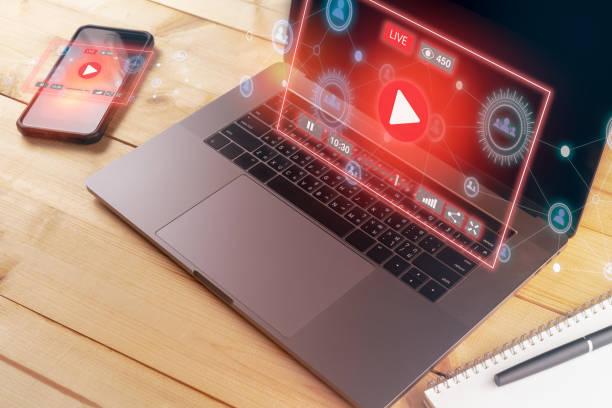
Mobile technology has transformed entertainment by providing instant access to music, movies, games, and social media platforms that keep users engaged throughout the day.
Streaming services allow users to watch content on demand without traditional television schedules. This flexibility has changed how audiences consume entertainment globally and continuously.
Social media platforms dominate mobile usage, enabling users to share experiences, build communities, and engage with content creators from around the world instantly.
Mobile gaming has also become a major entertainment industry. Advanced smartphones support high-quality games, creating immersive experiences for users of all age groups.
Mobile technology has revolutionized financial systems through mobile banking applications, digital wallets, and online payment systems that make transactions faster and more secure.
Users can transfer money, pay bills, and manage accounts directly from smartphones without visiting physical bank branches, saving time and increasing convenience significantly.
Financial inclusion has improved as mobile banking services reach unbanked populations, allowing them access to essential financial services through simple mobile applications.
Security features like biometric authentication and encryption ensure safe financial transactions, reducing fraud risks and increasing trust in digital financial ecosystems globally.
Mobile technology plays a key role in developing smart cities by connecting devices, sensors, and infrastructure through the Internet of Things for efficient urban management.
Traffic systems, energy grids, and public services are monitored and controlled using mobile applications, improving city efficiency and reducing environmental impact significantly.
Citizens benefit from smart services such as real-time transport updates, digital governance, and mobile-based public utility management systems that enhance urban living standards.
The integration of mobile technology and IoT continues to expand, making cities more intelligent, sustainable, and responsive to citizen needs and environmental challenges.
The future of mobile technology includes advancements in artificial intelligence, 5G connectivity, augmented reality, and wearable devices that will further transform human experiences.
Faster internet speeds and improved processing power will enable more immersive applications, including virtual reality environments and advanced mobile-based professional tools for users.
Automation and AI integration will make mobile devices more intelligent, predicting user needs and providing personalized experiences across various digital platforms and services.
As technology evolves, mobile devices will become central hubs of digital life, connecting all aspects of communication, work, health, and entertainment seamlessly.
Despite its benefits, mobile technology also presents challenges such as data privacy concerns, digital addiction, and increasing dependence on devices for daily activities.
Cybersecurity threats continue to grow as more personal and financial data is stored on mobile platforms, requiring stronger protection systems and user awareness.
Excessive screen time affects mental and physical health, especially among young users, highlighting the need for balanced and responsible mobile usage habits.
Governments and organizations must implement policies to ensure safe, ethical, and inclusive use of mobile technology for sustainable societal development in the future.

This post has been authored and published by one of our premium contributors, who are experts in their fields. They bring high-quality, well-researched content that adds significant value to our platform.







Photography Shots is your source for photography tips, camera guides, editing tutorials, and creative inspiration. Capture moments, tell stories, and improve your photography skills.
